

Top Tips for Evaluating Tennis Matchups
How to Evaluate Tennis Matchups Before Placing a Bet
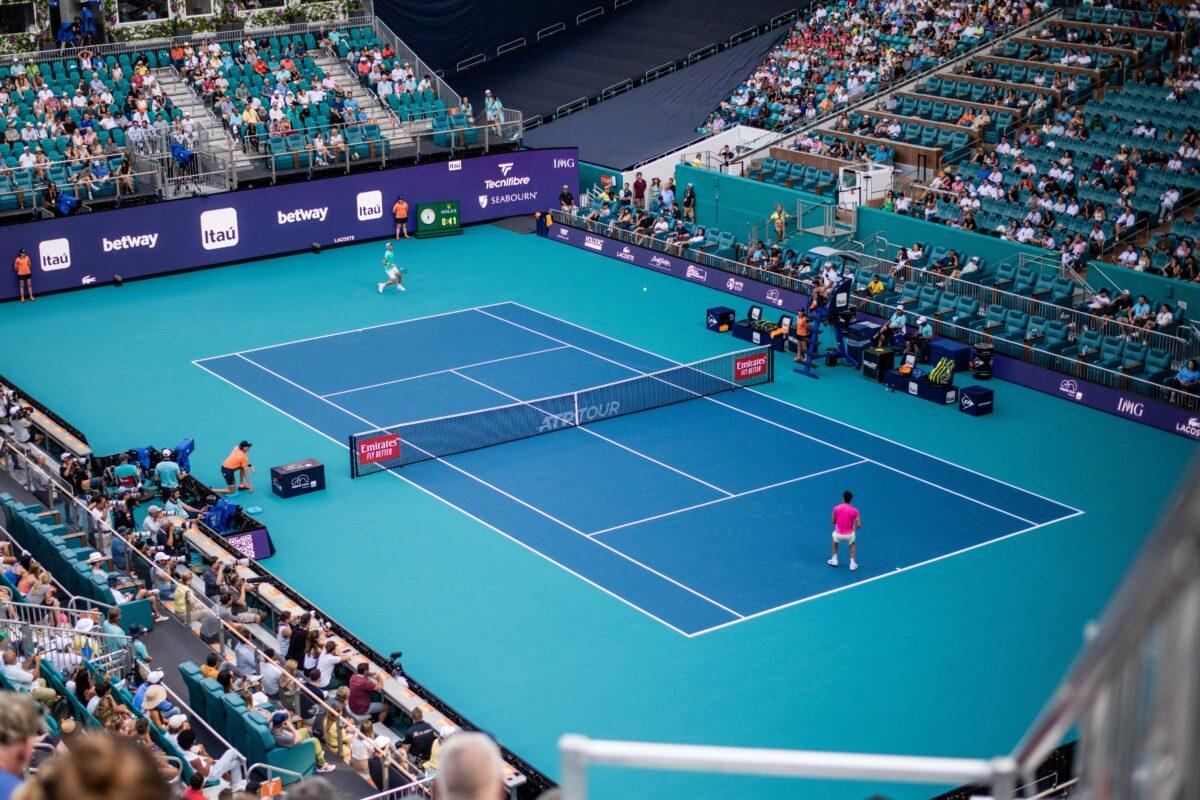
Tennis presents a different challenge from most team sports. Every match depends on two players, each bringing a unique style, level of confidence and ability to adapt during the contest. That means successful pre-match analysis often requires more than simply comparing rankings.
Many bettors begin by reviewing recent results, head-to-head meetings and tournament conditions before looking at the available markets. During that preparation, it's not unusual to have match statistics, tournament schedules and resources such as vippari indir open alongside player profiles and recent performances. Looking at how two players match up against each other often provides much more insight than considering either player individually.
Rather than asking who is ranked higher, it is often more useful to ask whose style is better suited to this particular matchup.
Start With the Court Surface
One of the biggest differences between tennis and many other sports is the playing surface.
A player who performs brilliantly on clay may struggle to produce the same level on grass or hard courts. Movement, serving conditions and rally length can all change depending on the surface.
Before analysing a match, check whether each player has produced consistent results under similar conditions during the current season.
Surface preferences are rarely the only factor, but they often provide valuable context.
Compare Playing Styles
Not every tennis player approaches a match in the same way.
Some rely on powerful serves and short rallies, while others prefer long exchanges from the baseline. Certain players are comfortable defending for extended periods, whereas others look to finish points as quickly as possible.
When evaluating a matchup, consider how those styles interact.
Useful questions include:
- Does one player have a clear serving advantage?
- Who is more comfortable in long rallies?
- Which player is likely to control the tempo?
- How effective are they under pressure?
- Does either player regularly struggle against this style of opponent?
Looking at these questions together often creates a much clearer picture than rankings alone.
Don't Ignore Recent Workload
Tournament schedules can become demanding, particularly during busy parts of the season.
A player who has spent several hours on court in previous rounds may approach the next match differently from an opponent who has advanced comfortably.
Travel, recovery time and consecutive long matches may all influence performance.
While fatigue is difficult to measure precisely, it deserves consideration alongside technical ability.
|
Factor to Compare |
Why It Matters |
|
Court surface |
Some players perform better on specific surfaces |
|
Playing style |
Determines how the matchup may develop |
|
Recent workload |
Can influence physical freshness |
|
Head-to-head record |
Shows previous matchup trends |
|
Current form |
Reflects recent consistency |
No single factor should determine your opinion on its own. Tennis matches are often shaped by several small details working together rather than one obvious advantage.
Watch How Players Handle Important Moments
Statistics tell part of the story, but they don't always explain how a player reacts under pressure.
Watching recent highlights can reveal whether a player remains composed during break points, responds well after losing a set or continues attacking in difficult situations.
Mental resilience is difficult to express with numbers, yet it frequently becomes an important part of closely contested matches.
Build Every Matchup From Several Angles
The strongest tennis analysis usually combines different types of information rather than relying on one statistic.
Surface preference, playing style, recent workload and current form all contribute to a more complete understanding of the contest.
As you analyse more tournaments, comparing players from several angles becomes a natural habit. Instead of focusing only on rankings or recent victories, you'll begin recognising the smaller details that make every tennis matchup unique and every pre-match assessment more balanced.